
Tips for Creating a Sustainable Home Office Environment
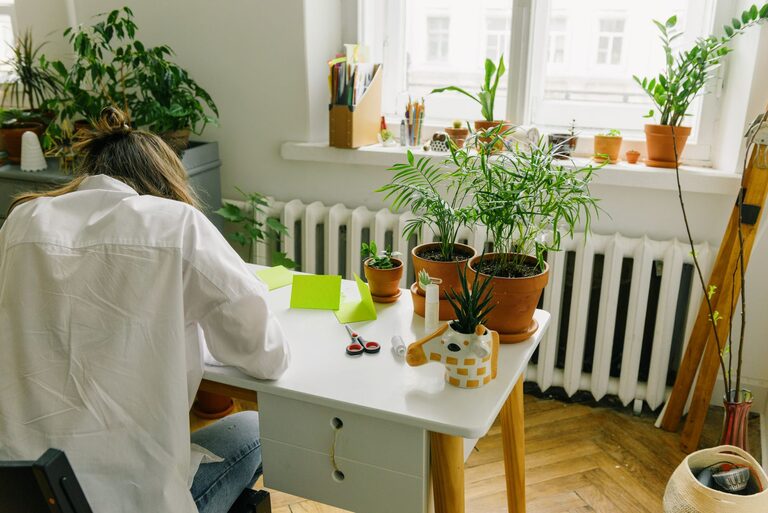
Creating a sustainable home office environment is more than just a trend—it’s a meaningful way to reduce your environmental footprint while crafting a workspace that supports your well-being and efficiency. Whether you work from home full-time or need a comfortable spot for occasional projects, implementing green practices can make a big difference.
In this post, we’ll explore simple yet effective tips for designing a sustainable home office. From energy-saving habits to eco-friendly furniture, you’ll find plenty of ideas to help you build a greener workspace.
Why Create a Sustainable Home Office?
Home offices can consume a lot of resources, from electricity usage to disposable supplies. By choosing sustainable options, you not only protect the environment but also potentially lower your bills and create a healthier space. Incorporating natural light, reducing waste, and selecting responsible materials can positively impact your comfort and productivity.
Choosing the Right Location and Layout
Maximize Natural Light
Position your desk near a window to take advantage of daylight. Natural light can boost mood and reduce the need for artificial lighting during daytime hours. Consider using light-colored walls or reflective surfaces to brighten the space further.
Optimize Ventilation
A well-ventilated area improves air quality and reduces reliance on heating or cooling systems. If possible, open windows regularly or use energy-efficient fans for comfort.
Keep It Clutter-Free
A well-organized space encourages focus and reduces unnecessary consumption. Use shelves, drawers, or storage bins made from sustainable materials to keep supplies tidy and accessible.
Eco-Friendly Furniture and Supplies
Choose Sustainable Materials
Look for desks, chairs, and storage made from recycled, reclaimed, or sustainably sourced wood and materials. Certifications like FSC (Forest Stewardship Council) can help identify eco-friendly products.
Prioritize Ergonomics
Invest in ergonomic furniture that promotes good posture and comfort. This helps prevent strain and allows you to work efficiently without frequent replacements.
Use Recycled and Recyclable Office Supplies
Opt for recycled paper, refillable pens, and other supplies designed to generate less waste. Also, ensure that your purchases come in minimal packaging.
Consider Upcycling
Before buying new, check if you can repurpose or refurbish old furniture. Many creative DIY ideas allow you to give existing items a fresh, functional life.
Energy Efficiency in the Home Office
Use Energy-Efficient Lighting
Switch to LED bulbs or energy-saving lamps that consume less electricity and have a longer lifespan.
Power Management
Unplug devices when not in use or use power strips that can be turned off easily to avoid phantom energy consumption.
Invest in Energy-Star Rated Electronics
Choose computers, printers, and other gadgets that meet energy efficiency standards. This reduces electricity use without sacrificing performance.
Optimize Screen Brightness and Sleep Settings
Adjust your computer’s brightness and enable sleep mode to conserve power during inactivity.
Reduce Waste with Thoughtful Practices
Go Paperless Where Possible
Digital documents, cloud storage, and e-signatures can drastically cut down paper use.
Set Up a Recycling Station
Make recycling easy by having clearly labeled bins for paper, plastic, and batteries in your office area.
Minimize Disposable Items
Use reusable water bottles, coffee mugs, and lunch containers to avoid single-use plastics.
Incorporate Plants for a Greener Atmosphere
Adding indoor plants not only improves air quality but also enhances your workspace aesthetics and well-being.
Select Low-Maintenance Plants
Options like snake plants, pothos, and succulents require minimal care and thrive indoors.
Place Plants Strategically
Position plants near your desk or windows to benefit from natural light and boost inspiration.
Maintain a Sustainable Routine
Regular Tidying and Inventory Checks
Keep track of office supplies to avoid overbuying and waste.
Encourage Green Habits
If you share your home office with others, promote recycling, energy saving, and mindful consumption together.
Stay Informed
Keep up with new sustainable products and techniques to continually improve your workspace.
Final Thoughts
Transforming your home office into a sustainable environment is a rewarding process that blends environmental responsibility with personal comfort. By embracing natural materials, reducing waste, and conserving energy, you create a healthier workspace that supports both the planet and your productivity.
Start with small changes and build your ideal green office gradually. Every sustainable choice adds up and helps create a more mindful and efficient work-from-home experience.