Tips for Creating a Relaxing Home Workspace to Boost Productivity
Creating a relaxing home workspace is essential for maintaining productivity and reducing stress, especially as more people work remotely. A thoughtfully arranged workspace not only supports efficiency but also promotes well-being. In this post, we’ll explore practical tips to help you set up a home workspace that is both calming and conducive to getting work done.
Why a Relaxing Workspace Matters
Working from home offers flexibility, but it can also present distractions and challenges to staying focused. A relaxing workspace creates an environment where you feel comfortable and motivated. This balance between calm and functionality can improve your concentration, creativity, and overall work satisfaction.
Choosing the Right Location
Selecting a suitable spot in your home is the first step.
– Find Natural Light: Position your desk near a window if possible. Natural light boosts mood and energy, making work feel less tiring.
– Quiet Zone: Choose a space away from high-traffic areas or noise sources to minimize interruptions.
– Separate Work from Relaxation: If space allows, avoid setting up your workspace in places associated with rest, like your bed or couch, to help your brain distinguish between work time and downtime.
Ergonomic Setup for Comfort
Comfort plays a big role in staying focused and avoiding fatigue.
– Supportive Chair: Invest in a chair with good lumbar support and adjustable features to maintain good posture.
– Desk Height: Your desk should allow your forearms to rest parallel to the floor while typing.
– Monitor Placement: Place your computer monitor at eye level, about an arm’s length away, to reduce neck strain.
– Keyboard and Mouse: Keep these devices close to avoid unnecessary reaching.
Declutter and Organize
A tidy workspace reduces distractions and makes it easier to find what you need.
– Minimal Essentials: Keep only the items you use daily on your desk.
– Storage Solutions: Use drawers, shelves, or organizers to store supplies neatly.
– Cable Management: Use clips or sleeves to keep cords organized and out of sight.
– Daily Tidying: Spend a few minutes at the end of the day to clear your workspace for a fresh start tomorrow.
Incorporate Calming Elements
Adding touches that promote relaxation can improve your mood and productivity.
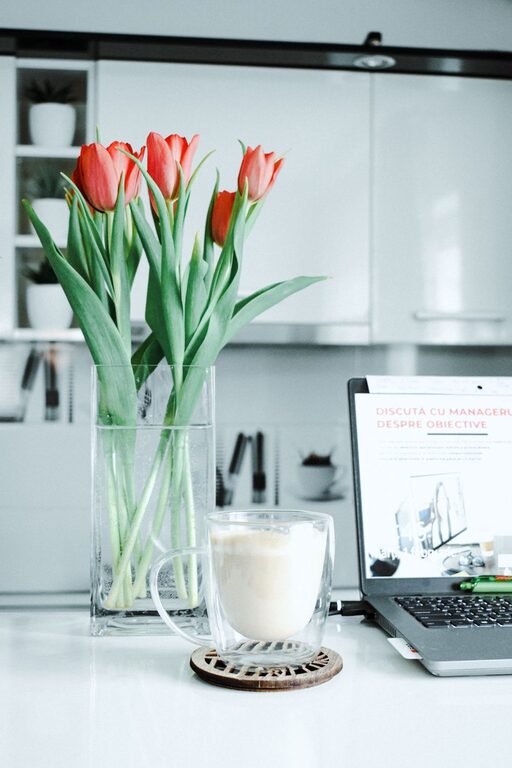
– Plants: Indoor plants can reduce stress and improve air quality.
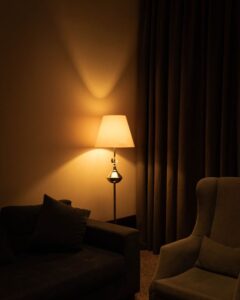
– Soft Lighting: Use desk lamps or ambient lighting instead of harsh overhead lights.
– Personal Touches: Include framed photos, artwork, or objects that inspire you.
– Aromatherapy: Consider mild scents like lavender or eucalyptus with a diffuser or candle, but keep it subtle.
Manage Noise and Distractions
Creating a peaceful environment helps maintain focus.
– Noise-Canceling Headphones: These can block out unwanted sounds, especially in busy households.
– Background Music: Some people find soft instrumental music helpful for concentration.
– Turn Off Notifications: Silence non-essential notifications on devices during work periods.
Plan Your Work Routine and Breaks
A workspace supports productivity best when combined with a good routine.
– Set Boundaries: Define clear work hours and stick to them.
– Scheduled Breaks: Take short breaks to stretch, hydrate, or step outside.
– Healthy Snacks and Water: Keep these nearby to stay energized and refreshed.
– Use Timers: Techniques like the Pomodoro method can help manage focus intervals and rest times.
Technology and Tools for Efficiency
Use tools that simplify your work rather than complicate it.
– Reliable Internet: Ensure your internet connection is stable for online meetings and tasks.
– Organizational Apps: Use calendars, to-do lists, or project management tools to keep track of tasks.
– Backup Power: Consider an uninterruptible power supply (UPS) to protect your work during outages.
Personalize but Keep It Functional
While you want your workspace to feel inviting, avoid overcrowding it.
– Balance: Combine practicality with aesthetics to keep your area motivating yet decluttered.
– Refresh Occasionally: Change up decor or reorganize to maintain a pleasant environment as your needs evolve.
Final Thoughts
Creating a relaxing home workspace is about balancing comfort, organization, and functionality. By thoughtfully designing your area, you can build a setting that fosters focus and reduces stress. This approach not only boosts productivity but also enhances your overall home working experience. Start with small changes and adjust as you find what works best for you. Your ideal workspace awaits!